
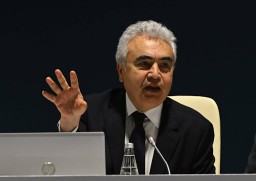
The Iran energy crisis is severely undermining the confidence of global energy investors, raising the risk that the capital needed to build alternative supply sources and more resilient energy infrastructure will not flow to where it is most needed, the head of the International Energy Agency has warned. Fatih Birol, speaking in Canberra, said the combination of extreme market volatility, geopolitical uncertainty, and infrastructure damage was creating an investment environment that was deeply hostile to long-term energy capital allocation. He described the overall crisis as equivalent to the combined force of the 1970s twin oil shocks and the Ukraine gas emergency.
Birol said investor confidence was essential to both the immediate crisis response and the long-term recovery. Without confidence that energy markets would eventually stabilize and that investments in new supply and infrastructure would be protected, the capital needed to rebuild damaged Gulf facilities, develop alternative transit routes, and expand non-Gulf energy production would not materialize. He said governments needed to take active steps to restore investor confidence alongside their emergency supply management efforts.
The conflict began February 28 with US and Israeli strikes on Iran and has since removed 11 million barrels of oil per day and 140 billion cubic metres of gas from world markets. At least 40 Gulf energy assets have been severely damaged, and the Hormuz strait — through which approximately 20 percent of global oil flows — remains closed. The IEA deployed 400 million barrels from strategic reserves on March 11 in its largest emergency action.
Birol confirmed further releases were under consideration and said the IEA was consulting with governments across three continents. He called for demand-side policies including remote work, lower speed limits, and reduced commercial aviation. He met with Australian Prime Minister Anthony Albanese and said Australia’s stable regulatory environment and transparent investment framework made it an attractive destination for the energy investment that the global recovery would require.
Trump’s 48-hour ultimatum to Iran to reopen the strait expired without result, and Tehran threatened retaliatory strikes on US and allied energy and water infrastructure. Birol concluded that restoring investor confidence was not just an economic nicety — it was a prerequisite for the recovery that the crisis demanded. He said governments needed to provide clear signals about their long-term energy policies and investment frameworks to give investors the certainty they needed to commit capital to the global energy recovery effort.