
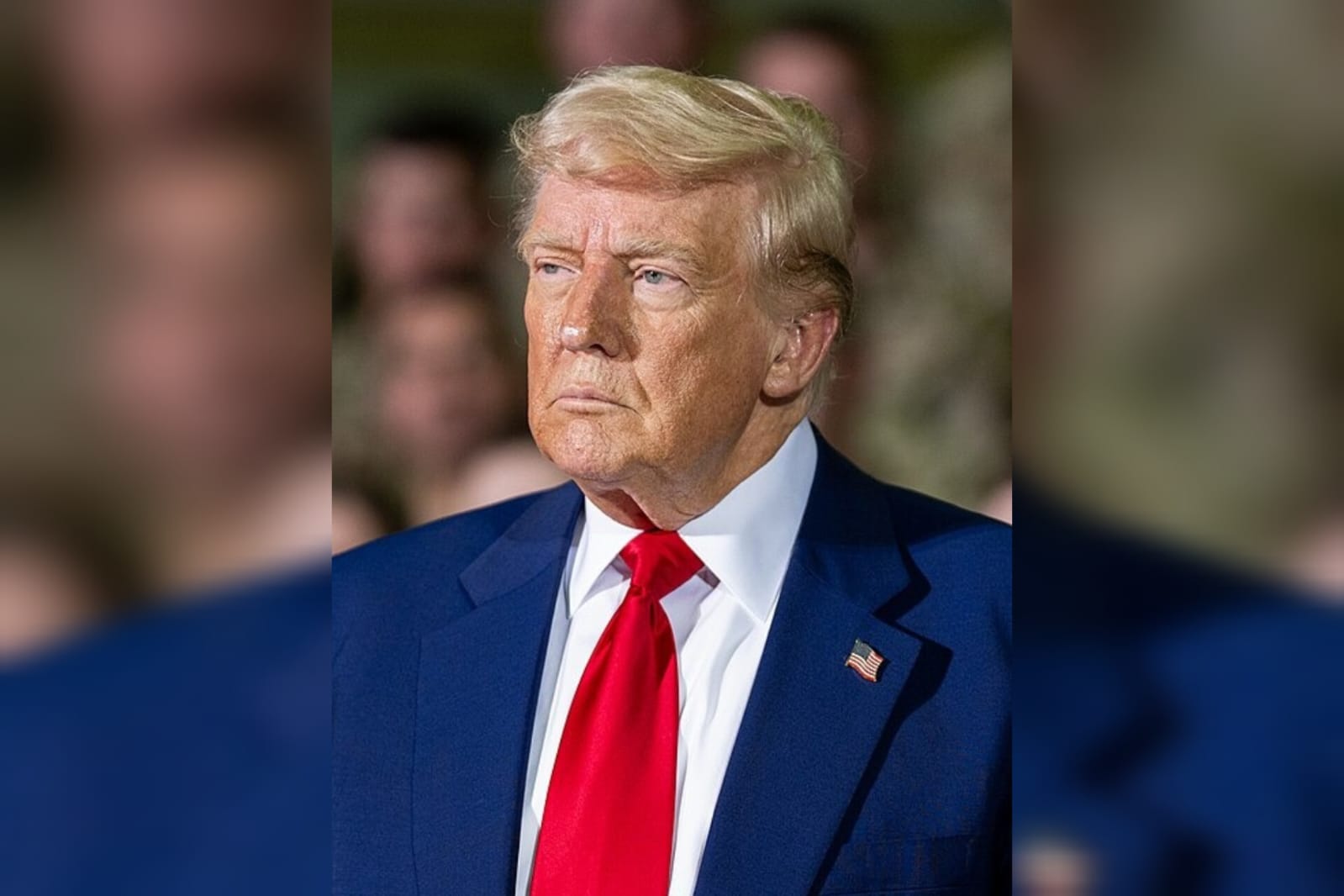
In a significant diplomatic move, U.S. President Donald Trump and Iranian President Masoud Pezeshkian have signed a 14-point agreement aimed at easing tensions and resolving critical issues between their countries. This agreement is being hailed as a crucial step in preventing a global economic crisis, as it includes reopening the Strait of Hormuz, a vital artery for global oil shipments. The agreement sets in motion a 60-day negotiation period intended to lay the groundwork for a broader and more lasting settlement.
The terms of the agreement involve Iran agreeing to reopen the Strait of Hormuz and engage in discussions about its nuclear ambitions. In exchange, the United States will ease certain sanctions, permit Iranian oil exports, and unfreeze billions of dollars in assets, offering a potential boost to Iran’s struggling economy. Furthermore, the deal provides for talks on reducing Iran’s stockpile of highly enriched uranium under international oversight. Trump has emphasized that diplomatic efforts were crucial to averting a broader conflict that could have severely disrupted the global economy. He noted that reopening the Strait of Hormuz would help stabilize energy markets and mitigate risks to international shipping. While Gulf nations may be encouraged to invest in Iran’s rebuilding efforts, Trump clarified that the U.S. would not contribute financially.
Reactions to the agreement have been varied. Proponents assert that it helps reduce regional tensions, enhances global energy security, and opens the door for ongoing discussions about Iran’s nuclear program. However, critics argue that the deal provides Iran with substantial economic relief without securing firmer commitments regarding its ballistic missile development or regional ambitions. This has raised concerns that Iran could gain significant strategic and financial advantages.
The agreement also contains pledges aimed at decreasing hostilities in the region. Iran has committed not to pursue nuclear weapons and to exhibit restraint through its regional allies, with additional negotiations anticipated to tackle outstanding issues, including missile technology and Middle East security. Despite both nations touting the agreement as a significant advancement, its ultimate success will hinge on the outcomes of the forthcoming negotiations.