
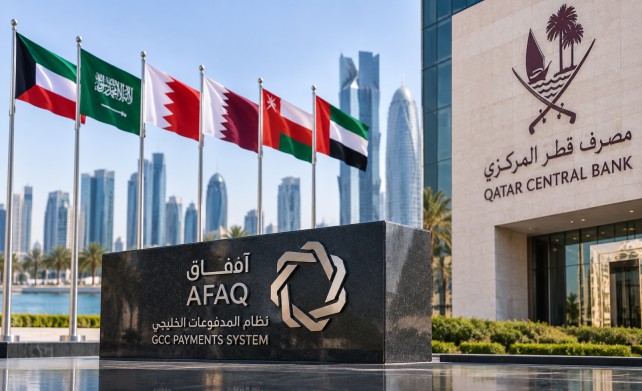
The Qatar Central Bank (QCB) has become the latest member of the AFAQ Payments System, finalizing the inclusion of all six central banks from the Gulf Cooperation Council (GCC) in this regional payment network. This strategic move is poised to enhance the interconnection of financial and payment systems across the Gulf, aiming to make cross-border transactions more rapid, efficient, and secure.
In addition to QCB, three Qatari banks—Doha Bank, Qatar International Islamic Bank, and Dukhan Bank—have also joined the AFAQ network. This expansion brings the total number of banks linked to the system within the GCC to 74. AFAQ was designed to foster a more cohesive regional payments infrastructure, facilitating financial transfers among GCC member countries. This increased connectivity is anticipated to benefit not only individuals and businesses but also financial institutions, while simultaneously bolstering trade and investment within the region.
Qatar’s involvement opens the door for additional Qatari banks to join the regional platform as the network continues to grow. This broader integration is expected to advance the digitalization of financial services and promote closer financial collaboration across the Gulf. The involvement of all six central banks marks a significant milestone toward deeper economic and financial integration among the GCC nations, paving the way for the development of a more interconnected regional financial ecosystem.
As Qatar aligns itself with the AFAQ Payments System, the potential for expanded participation of its banks highlights the benefits of shared financial resources and infrastructure. The network’s growth is set to enhance the efficiency of payments and financial transactions across borders, aligning with global trends toward streamlined and secure financial processes.
Ultimately, the full participation of GCC central banks in AFAQ signifies a critical step toward realizing a unified economic and financial framework in the Gulf region. This development promises to strengthen regional ties and support economic growth through improved financial services and connectivity.