
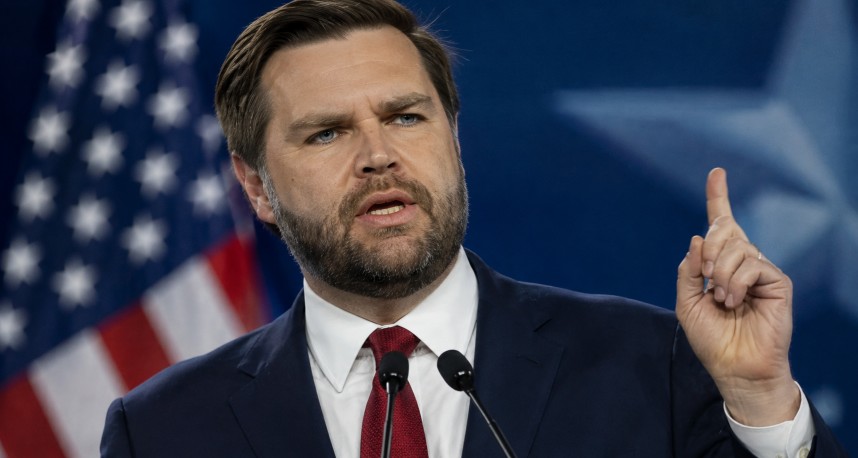
In a recent podcast interview, U.S. Vice President JD Vance expressed concerns over alleged attempts by some Israeli government officials to sway American public opinion. He claimed that these efforts were aimed at opposing a U.S.-backed deal designed to end the ongoing conflict with Iran. Vance suggested that certain Israeli figures preferred the continuation of military activities and sought to influence U.S. political perspectives to undermine the agreement.
Vance acknowledged that it is common for various countries to try and influence U.S. policy decisions. However, he highlighted that such interventions become problematic when they start to impact American decision-making. The vice president’s remarks come in the wake of his previous criticisms of Israel’s opposition to the agreement with Iran. This accord, finalized last month, aims to not only resolve tensions with Iran but also to impose restrictions on Israel’s military actions involving Hezbollah in Lebanon.
Defending the agreement, Vance emphasized that the deal serves U.S. strategic interests and underscores the need for independent foreign policy choices. He argued that the U.S. must prioritize its own objectives and strategies rather than succumbing to external pressures. The vice president’s comments reflect the broader debate over the U.S.’s approach to managing its alliances and international commitments.
The White House has since reiterated that President Donald Trump and Vice President Vance are in agreement regarding the current administration’s strategy towards the conflict. This statement was made following Vance’s remarks, which had sparked discussions about the alignment within the U.S. leadership on foreign policy issues.
At the time of the publication, there had been no public response from Israeli officials regarding Vance’s allegations. The situation highlights the delicate balance the U.S. must maintain in its diplomatic relations with key allies while pursuing its own national interests.