
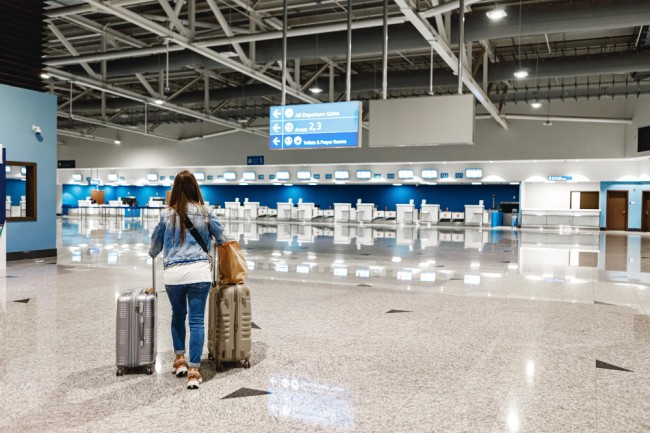
The travel sector in the Gulf Cooperation Council (GCC) region is experiencing a robust resurgence, with travel demand surging by 66.2% in May compared to April, according to recent data. This upswing underscores the renewed confidence among travelers and the vitality of major aviation markets within the region.
From March to May, overall travel activity across GCC hubs increased by 72.8%, marking a notable acceleration in growth. This recovery has been propelled by impressive contributions from the United Arab Emirates (UAE), Qatar, and Saudi Arabia, which demonstrate the resilience of the region’s aviation industry. The UAE, in particular, has fortified its status as the premier travel hub in the region, witnessing a 75.6% rise in travel activity between April and May. Key airports such as Dubai International, Abu Dhabi International, and Sharjah International have all reported substantial growth, indicating heightened demand for both business and leisure travel.
Qatar has emerged as one of the fastest-expanding travel markets during this period. The significant increase in activity at Doha’s Hamad International Airport has bolstered Qatar’s position as a pivotal player in regional connectivity and international travel. Meanwhile, Saudi Arabia continues to be a major force in the GCC travel landscape, significantly contributing to the region’s overall activity. The Kingdom’s key cities, including Riyadh and Dammam, have been instrumental in maintaining its central role in aviation.
The rebound in the GCC’s travel sector reflects rising traveler confidence, enhanced connectivity, and the robust aviation infrastructure in the region. As demand continues to climb with the approach of the peak travel season, the sector is poised for sustained recovery, showcasing strong signs of resilience and growth.
Legal Disclaimer:
The information contained in this article has been provided by independent third-party contributors, clients, or content partners. We do not independently verify the accuracy, completeness, legality, ownership, licensing, or reliability of submitted content, including text, images, videos, trademarks, or other media materials. The submitting party is solely responsible for ensuring that all content, including images and media assets, complies with applicable copyright, trademark, licensing, and intellectual property laws. We disclaim liability for any unauthorized use of copyrighted or proprietary materials by third parties. If you believe that any content published on this platform infringes your intellectual property rights, kindly contact the author above for prompt review and resolution.