
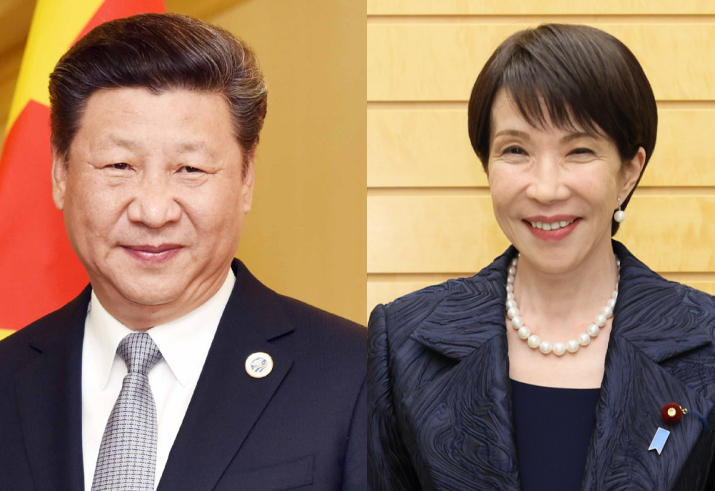
The current Japan-China crisis over Taiwan demonstrates that substantial bilateral economic interdependence proves insufficient to prevent political confrontation when core security interests are perceived to be at stake. Theoretical expectations that mutual economic benefits would constrain political disputes and encourage diplomatic compromise have been contradicted by China’s willingness to accept economic costs through tourism disruption, cultural restrictions, and potential trade limitations in response to Prime Minister Sanae Takaichi’s statements about Taiwan.
The economic stakes are substantial on both sides. Japan faces projected losses of approximately $11.5 billion from reduced tourism alone, with over 8 million Chinese visitors in the first ten months of this year representing 23% of all arrivals. Chinese tourists, businesses, and cultural enterprises also face costs from disrupted access to Japanese destinations, entertainment content, and commercial opportunities. Yet these mutual economic costs have not prevented escalation or encouraged rapid diplomatic resolution.
The insufficiency of economic interdependence as a conflict-prevention mechanism reflects asymmetries in dependence and different valuations of economic versus security interests. For China, Taiwan represents what Beijing views as a core national interest where economic costs are acceptable to defend fundamental positions. Chinese foreign ministry spokeswoman Mao Ning’s demands that Japan retract statements and reaffirm the “One China” principle indicate Beijing’s position is non-negotiable regardless of economic consequences.
Similarly, from Japan’s perspective, Takaichi’s characterization of Taiwan scenarios as potentially “survival-threatening” indicates security assessments that override economic considerations. While Japan values Chinese tourism and trade, perceived security requirements related to Taiwan take precedence when the two sets of interests conflict. International relations expert Sheila A. Smith notes that domestic political constraints in both countries reinforce this prioritization of security over economic concerns, as leaders cannot appear weak on fundamental issues.
The pattern suggests that economic interdependence may create vulnerabilities and tools for coercion rather than constraints on conflict when core political interests diverge. Professor Liu Jiangyong indicates China will implement countermeasures gradually, using economic tools to pressure Japanese policy changes rather than being constrained by economic relationships from pursuing political objectives. Small businesses like Rie Takeda’s tearoom bear the costs of this dynamic, experiencing economic hardship resulting from political decisions where economic considerations proved insufficient to prevent confrontation. The crisis raises fundamental questions about whether economic integration genuinely promotes peace and stability or merely creates additional channels through which political conflicts manifest, with implications extending beyond Japan-China relations to broader debates about globalization, interdependence, and conflict prevention in international relations.