
A new trade framework between the United States and the European Union has been met with sharp criticism and reluctant acceptance from European leaders, who see the terms as a capitulation to US pressure. French Prime Minister François Bayrou went as far as to call it “a dark day when an alliance of free peoples…resolves to submission,” highlighting deep reservations about the agreement.
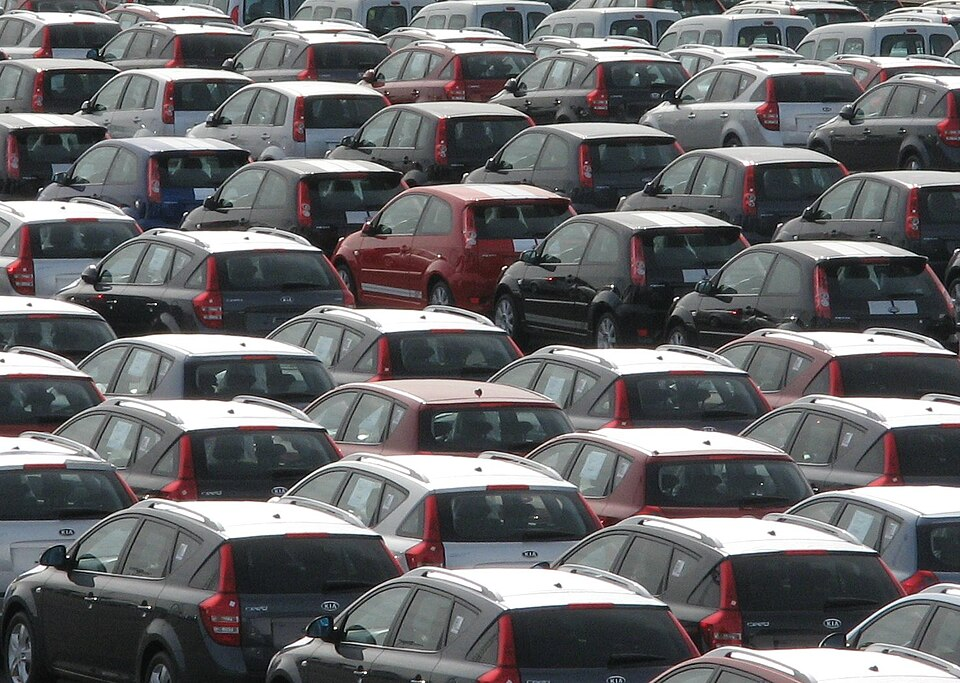
The core of the discontent lies in the deal’s structure. The US has agreed to lower its punishing 27.5% tariff on European cars to 15%, but only after the EU introduces legislation to cut its tariffs on American goods. This “act first” demand from Washington leaves the EU’s crucial auto industry exposed until its political bodies can table the required laws.
Spanish Prime Minister Pedro Sánchez echoed the sentiment of unease, stating, “I support this trade agreement, but I do so without any enthusiasm.” His comments underscore a broader feeling that the deal, while perhaps necessary to avoid worse outcomes, is imbalanced. The agreement also failed to secure exemptions for other key European exports, such as wine and spirits, which will face a 15% US tariff.
Industry reactions have mirrored this political dismay. The French wine exporters federation was “hugely disappointed,” while Italian business leaders warned of catastrophic economic consequences. Dario Costantini of Italy’s small business confederation argued the effective surcharge would be closer to 30% when currency fluctuations are considered, calling it an “unfair and disproportionate tax” on Italian products.