
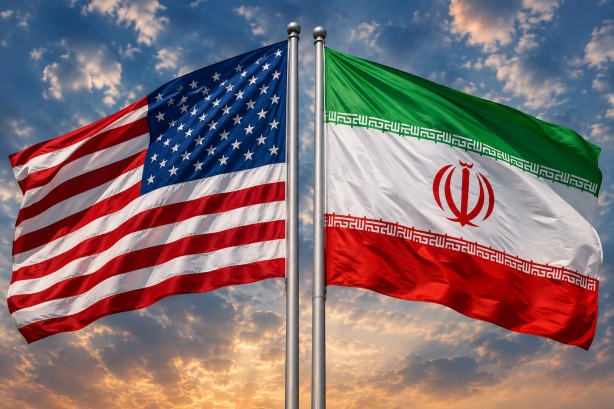
The United States has initiated a second phase of airstrikes in Iran after President Donald Trump announced the cessation of efforts to uphold an interim agreement between the two nations. These strikes, confirmed by the US military, targeted locations tied to Iran’s capacity to jeopardize maritime security in the Strait of Hormuz. Iranian media reported explosions in regions including Bandar Abbas, Sirik, and Bushehr province.
This military escalation follows an incident on Tuesday when three commercial vessels navigating the Strait of Hormuz were attacked, which significantly intensified the already strained relations between the US and Iran. In retaliation, the US withdrew a temporary sanctions waiver, previously enabling Iran to export oil, as part of a broader strategy to exert economic pressure.
President Trump stated that the airstrikes were a direct response to the attacks on these commercial ships and cautioned that any additional aggressive actions from Iran would provoke a more formidable response from the United States. Concurrently, Iran retaliated by launching missiles and deploying drones aimed at US military bases in the Gulf region, specifically in Bahrain and Kuwait. Fortunately, Kuwait’s military successfully intercepted these airborne threats, and no major damage was reported.
Iranian authorities clarified that the strikes in Bushehr province did not impact their nuclear power facility. They further declared their resilience against external pressure, asserting that military interventions would not compel Iran to alter its stance. The ongoing conflict has stirred apprehensions regarding global energy security, leading to a notable increase in oil prices as the market reacted to the volatility in the Strait of Hormuz, a vital corridor for oil transportation worldwide.