
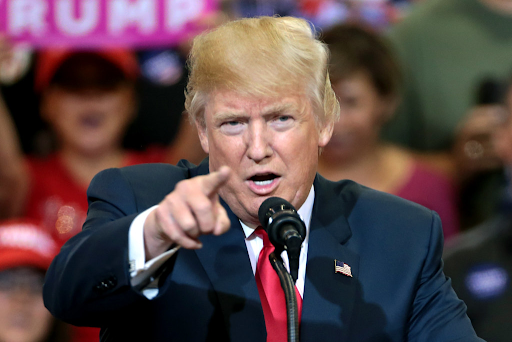
President Trump’s Friday announcement excluding South Africa from the 2026 G20 Summit in Miami highlighted multiple diplomatic grievances. The decision combines allegations about human rights conditions with procedural disputes from the recent Johannesburg summit.
Trump’s detailed social media post described what he characterizes as systematic persecution of Afrikaners and other descendants of European colonizers in South Africa. The President’s statement included explicit claims about violence and property seizures targeting white farming communities. He accused the South African government of complicity in these alleged violations.
The G20 Leaders’ Summit held last weekend in Johannesburg attracted broad international participation, with prominent figures like Indian Prime Minister Narendra Modi attending. However, the United States maintained a conspicuous absence, sending no official delegation. This boycott served as a powerful diplomatic statement about American concerns regarding South African governance.
Procedural tensions escalated when Trump claimed that South African authorities deliberately mishandled the ceremonial transfer of G20 presidency to the United States. Despite having an embassy official present at the closing event, Trump alleged the handover was improperly conducted. The South African government countered by explaining that proper diplomatic protocol was followed, with the transfer occurring at their international relations headquarters to accommodate the absence of an official US summit delegation.
President Ramaphosa expressed disappointment with the exclusion while emphasizing his government’s ongoing commitment to diplomatic relations with the United States. Trump’s assertions about persecution and genocide of white farmers represent claims that have been extensively examined and rejected by multiple sources, including the South African government, white leadership within the country, and independent observers. Despite consistent debunking, these allegations continue to resurface and influence bilateral diplomatic relations.